Mona Ryder
Mona Ryder (b. Queensland 1945)
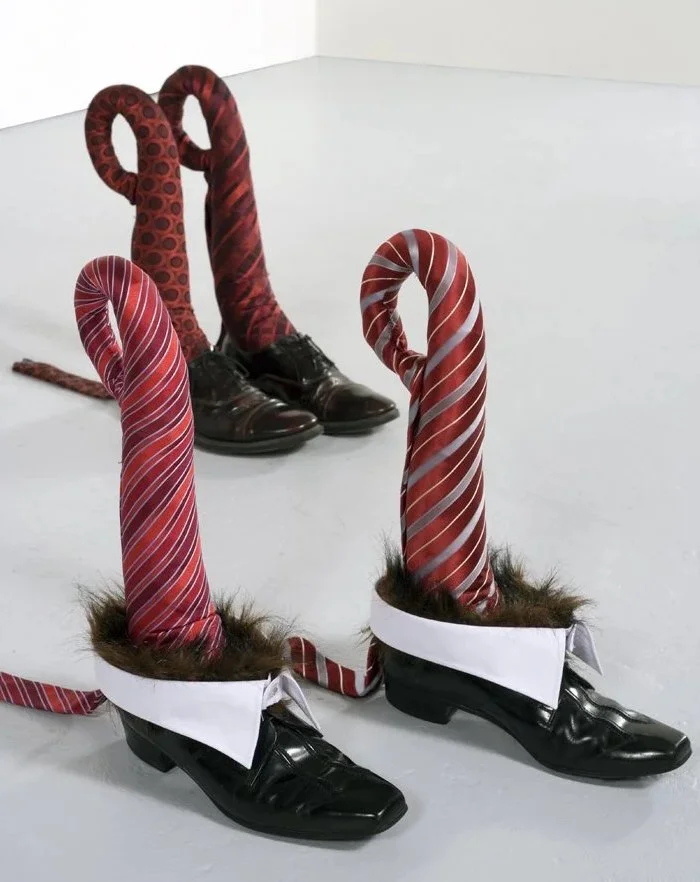
Mona Ryder’s work is a sustained, multi decade exploration of how everyday materials and domestic experience can be transformed into powerful, unsettling reflections on gender, memory, and human existence. Works from across this period have remained tightly held, with only rare opportunities for acquisition.
As an Australian artist whose over forty year practice transforms everyday objects into immersive, thought-provoking works across sculpture, textiles, installation, and mixed media. Ryder explores domesticity, memory, gender, and power, often turning the familiar into something uncanny and poetic. The current presentation brings together a concentrated selection of works spanning several decades, offering a rare insight into the continuity of her material language.
Her work has been widely exhibited nationally and internationally, including the major survey Minefield: The Art of Mona Ryder at QUT Art Museum (2022–23). A dedicated mentor and educator, she has influenced generations of artists while producing public art commissions and acclaimed residencies. Ryder’s practice combines humour, intimacy, and emotional depth, inviting viewers to see the everyday in extraordinary ways.
Mona Ryder’s practice has been a quietly powerful force in Australian contemporary art. Critics and writers consistently highlight her ability to transform the ordinary into something charged with meaning. Everyday domestic objects; ironing boards, textiles, chairs, shells, become more than their functional selves. They carry traces of memory, emotion, and lived experience, evoking the psychological tensions of home life while also pointing toward broader questions of power, gender, and social structures. Ryder’s work often subverts expectations, turning what is familiar into something uncanny, poetic, or even unsettling.
Her art resists classification. Over decades, she has moved fluidly between installation, sculpture, textiles, text, and performance-like environments, often creating immersive, theatrical spaces that encourage open-ended interpretation. There is a sense of alchemy in her process: the materials themselves are transformed, but so too are the ideas they convey. Domesticity, humour, memory, mortality, and the passage of time recur as motifs, yet Ryder treats them lightly, playfully, and with a humanist sensibility. Her feminist perspective is present but never didactic; instead, it is woven into a broader exploration of human experience, inviting reflection rather than prescribing meaning.
Ryder has been shaping communities and encouraging experimentation for decades. Her practice emphasizes process over product, valuing thoughtful, careful making above commercial success. The “slow burn” of her work reveals its depth gradually, asking viewers to linger, reflect, and respond. This long-standing focus on process over market visibility has contributed to the relative scarcity of her work in private collections.
Ryder’s art is about transformation, of objects, spaces, and perception. By elevating the domestic, the overlooked, and the everyday, she creates work that is both intimate and expansive, deeply personal yet socially resonant. Her enduring and influential practice offers multiple perspectives on an artist whose work quietly but powerfully reshapes how we see the ordinary and the profound.
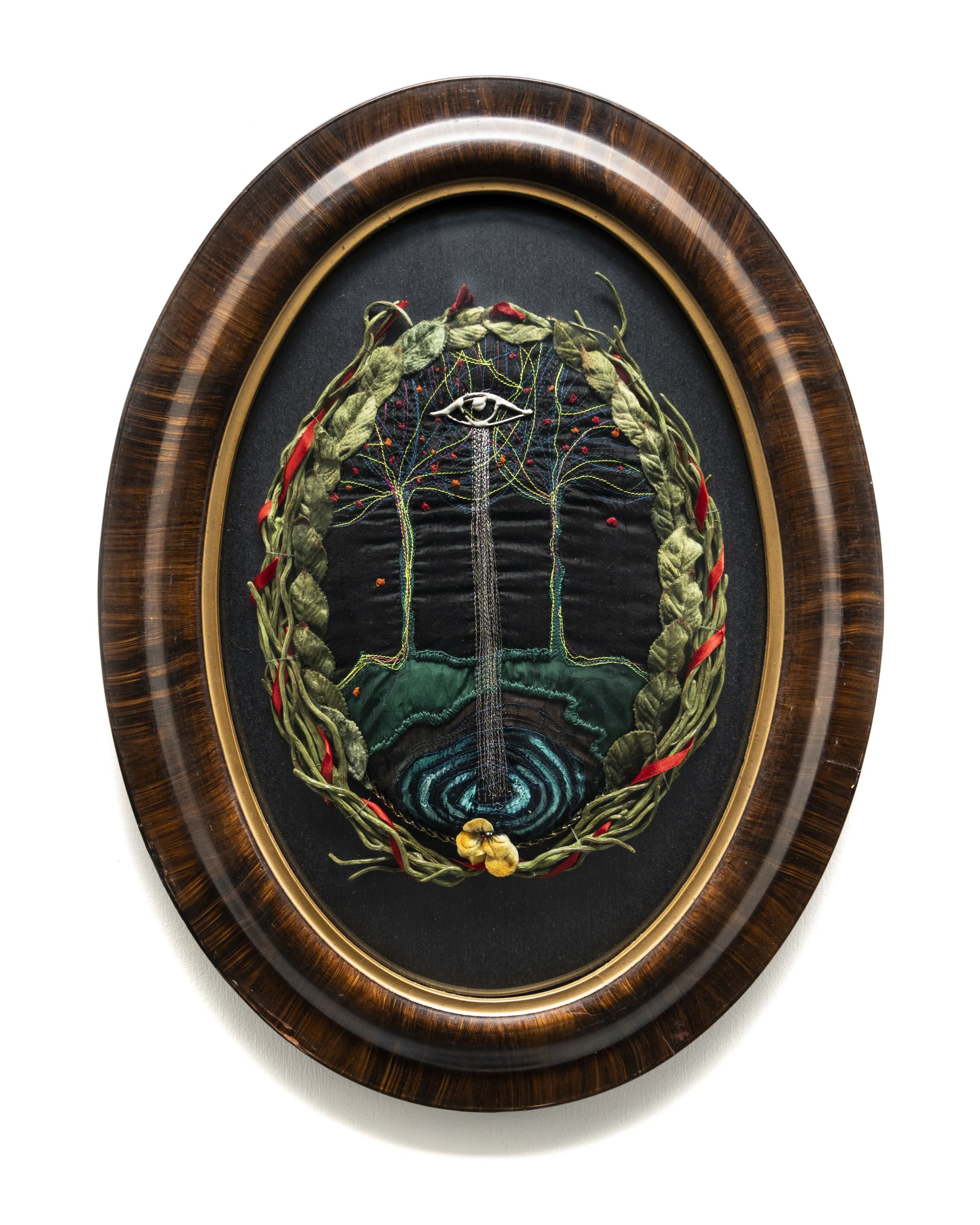
Silver Fall, 2016
625 mm x 470 mm (framed)
Acrylic paint, machine and hand embroidery, artificial leaves and flowers, ribbon, vintage frame.
(photo: Louis Lim)
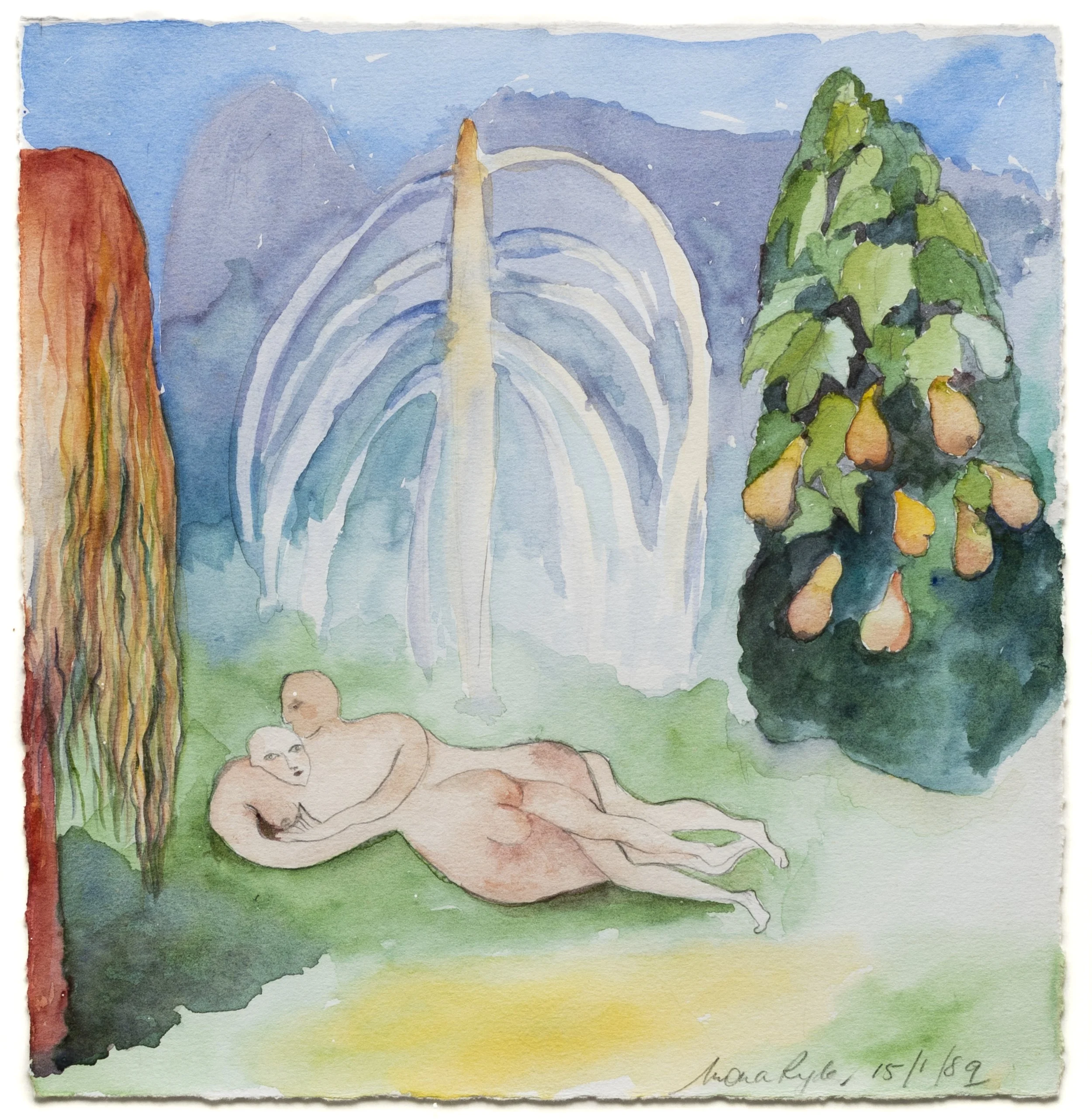
Garden Heavenly Delights, 1989
watercolour on paper
450 mm x 450 mm (framed)
(photo: Louis Lim)
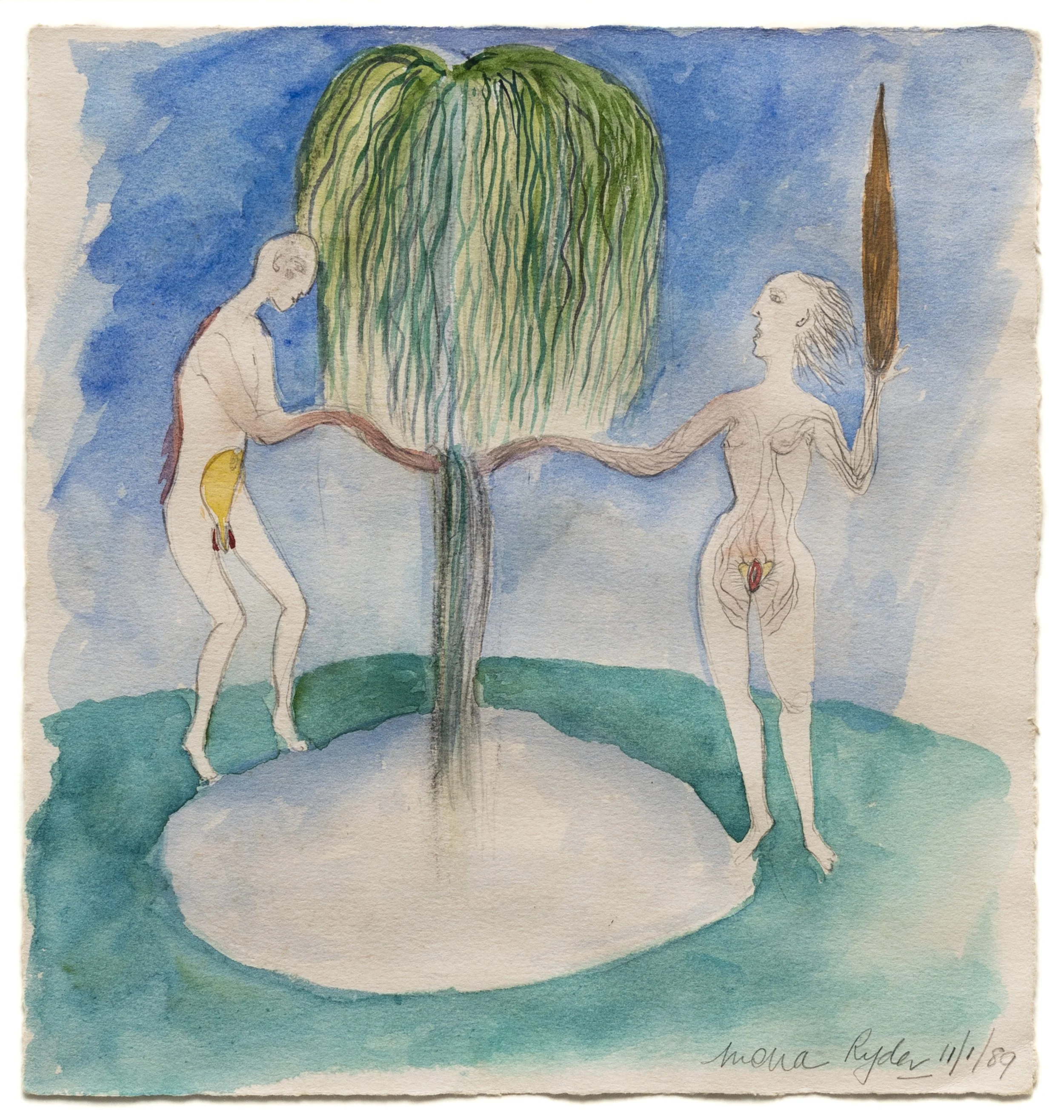
Garden of Heavenly Delights (2) 1989
watercolour on paper
450 mm x 450 mm (framed)
(photo: Louis Lim)
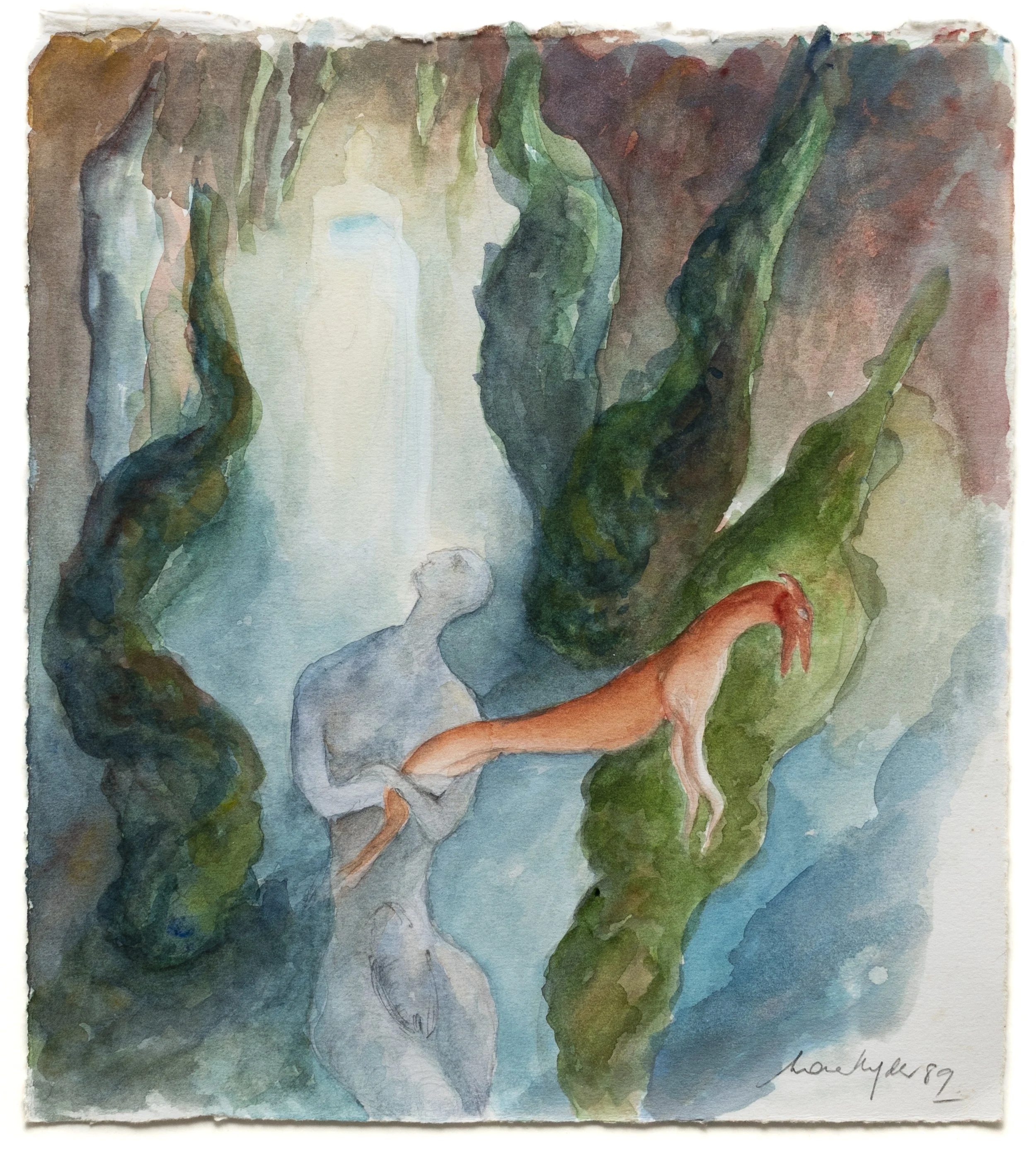
Garden of Heavenly Delights (3), 1989
watercolour on paper
450 mm x 450 mm (framed)
(photo: Louis Lim)
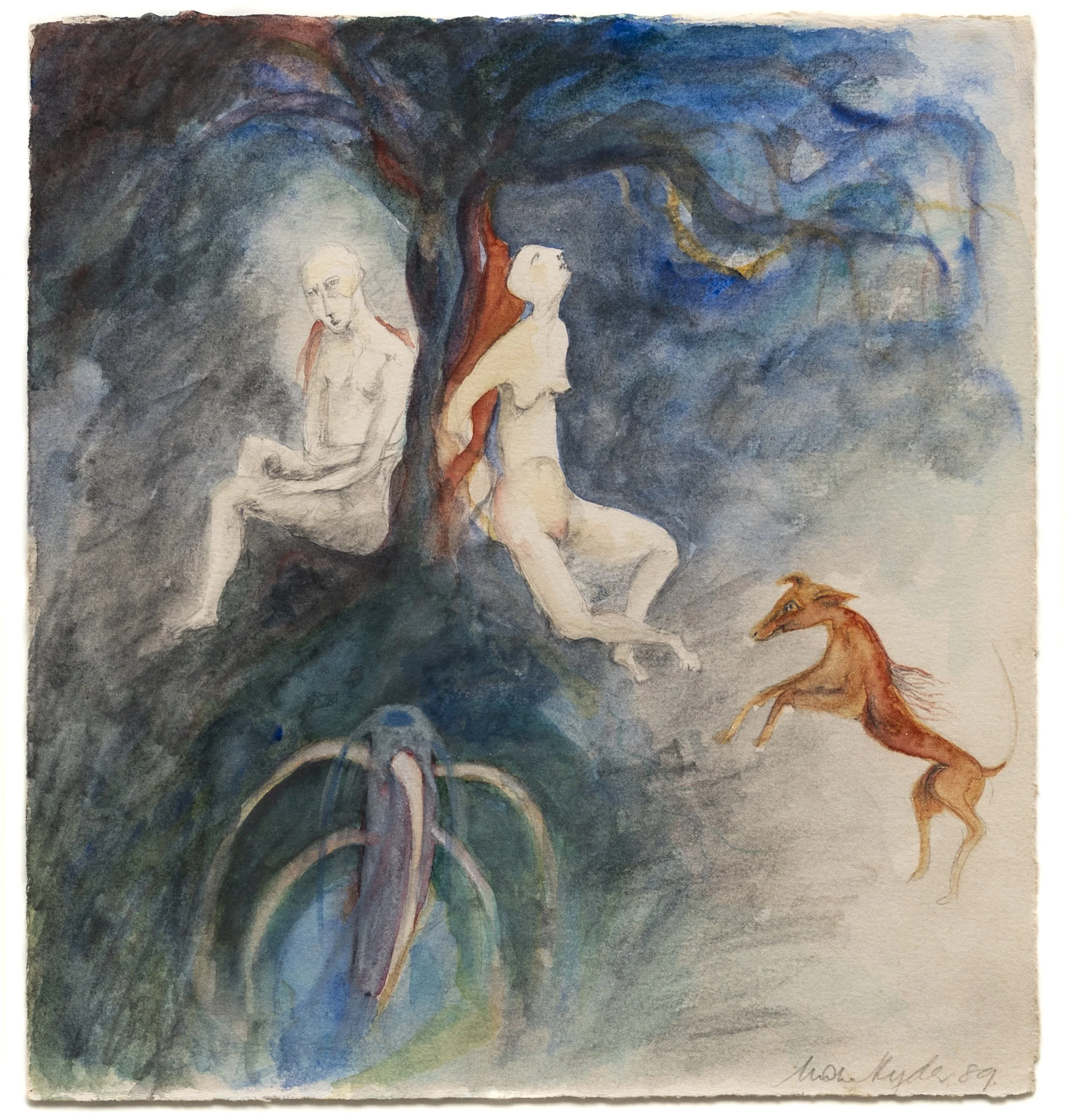
Garden of Heavenly Delights (4), 1989
watercolour on paper
450 mm x 450 mm (framed)
(photo: Louis Lim)
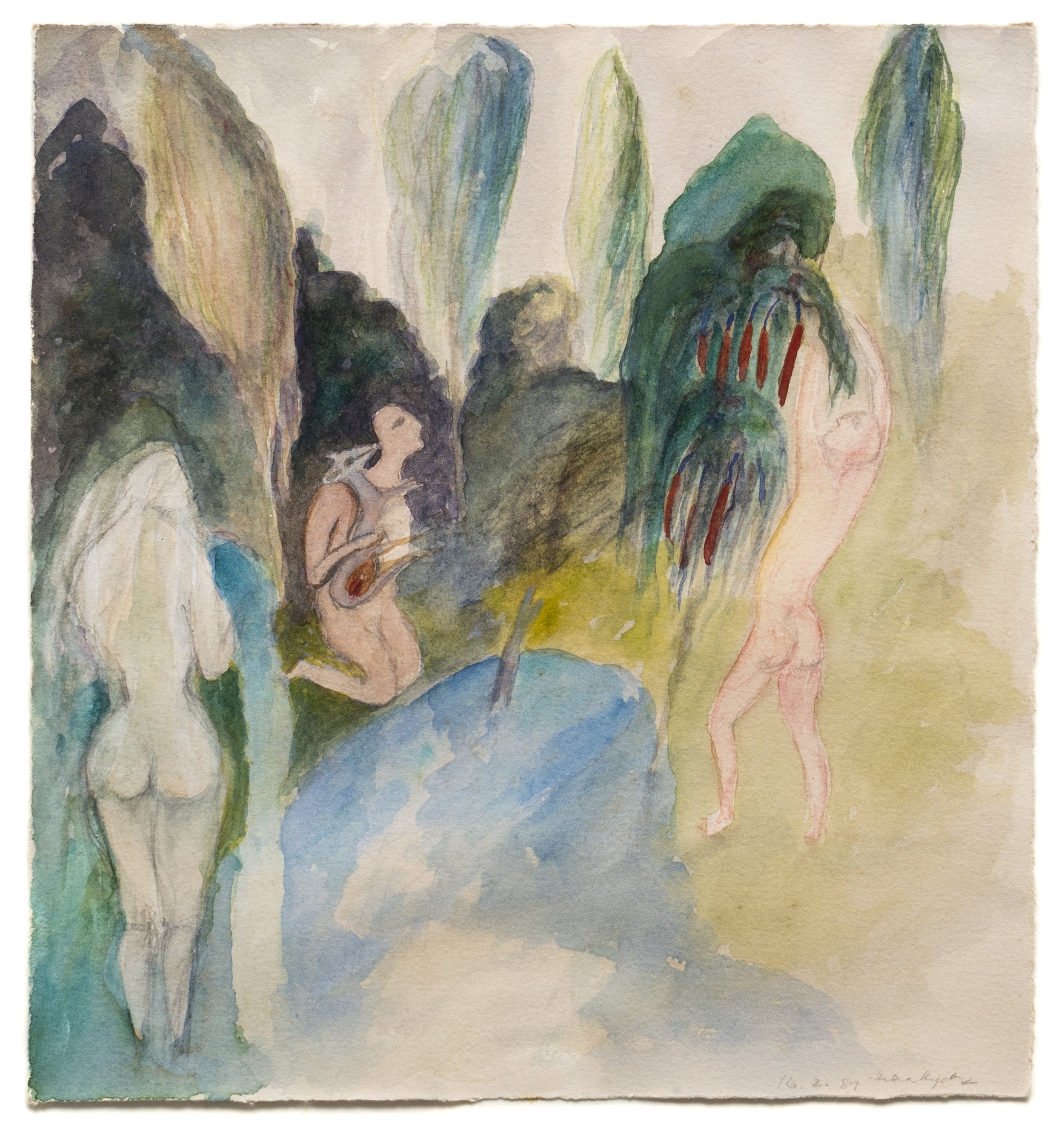
Garden of Heavenly Delights (5), 1989
watercolour on paper
450 mm x 450 mm (framed)
(photo: Louis Lim)
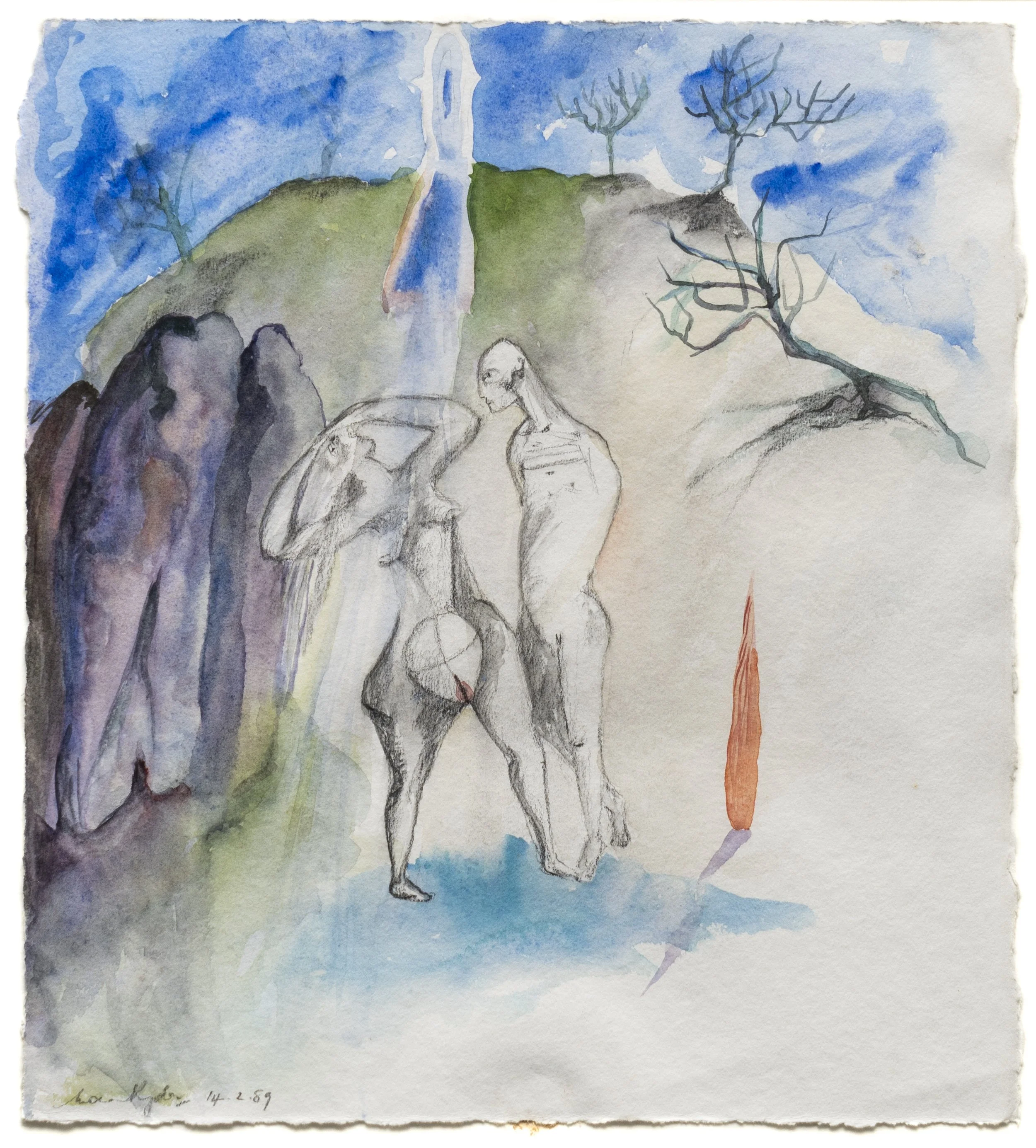
Garden of Heavenly Delights (6) 1989
watercolour on paper
450 mm x 450 mm (framed)
(photo: Louis Lim)

Listen, 2016
Acrylic paint, silk, machine and hand embroidery, artificial leaves, plastic plant, vintage frame
625 mm x 470 mm
(photo: Louis Lim)
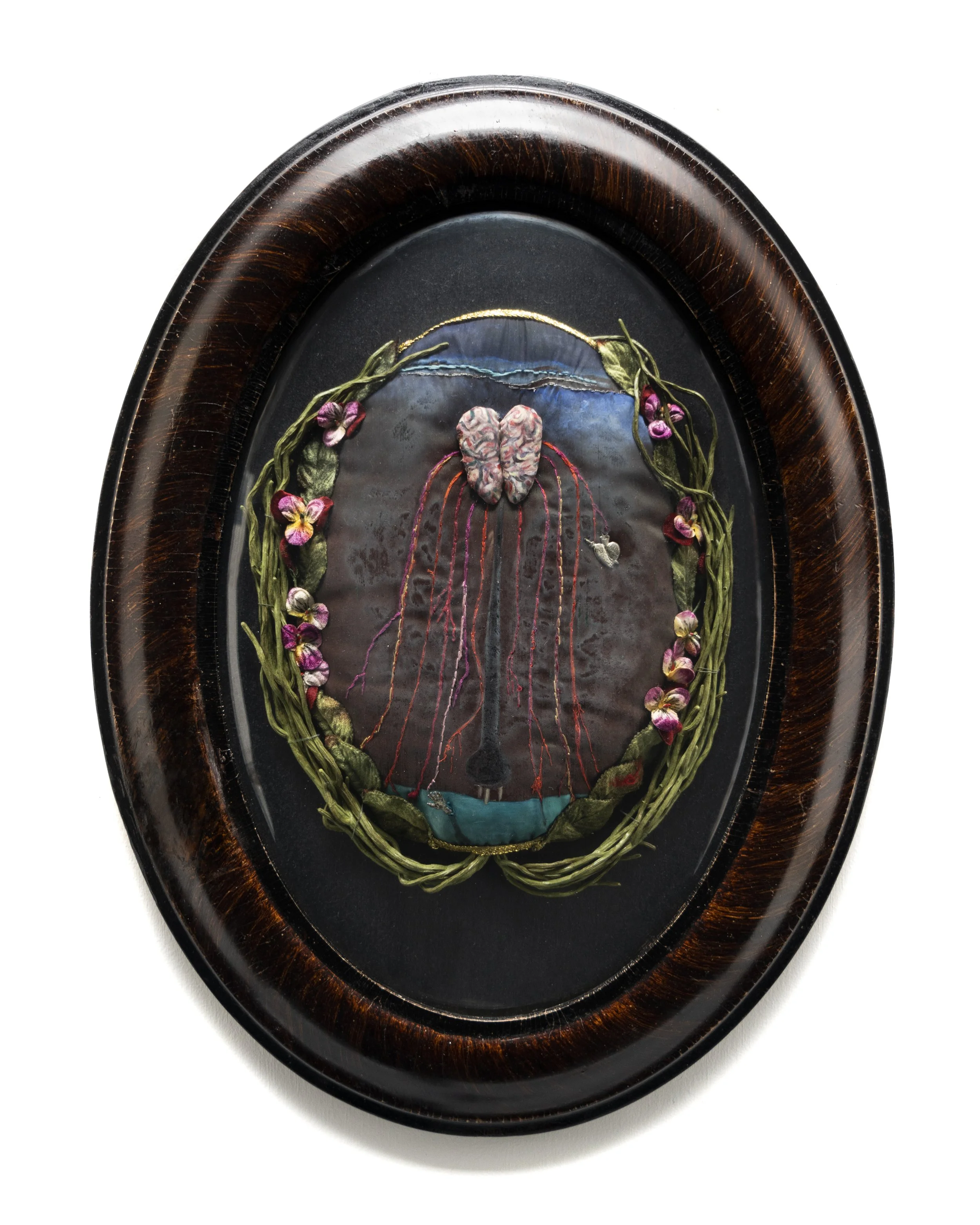
Drowning, 2016
Acrylic paint, silk, machine and hand embroidery, artificial leaves, plastic plant, vintage frame
625 mm x 470 mm
(photo: Louis Lim)
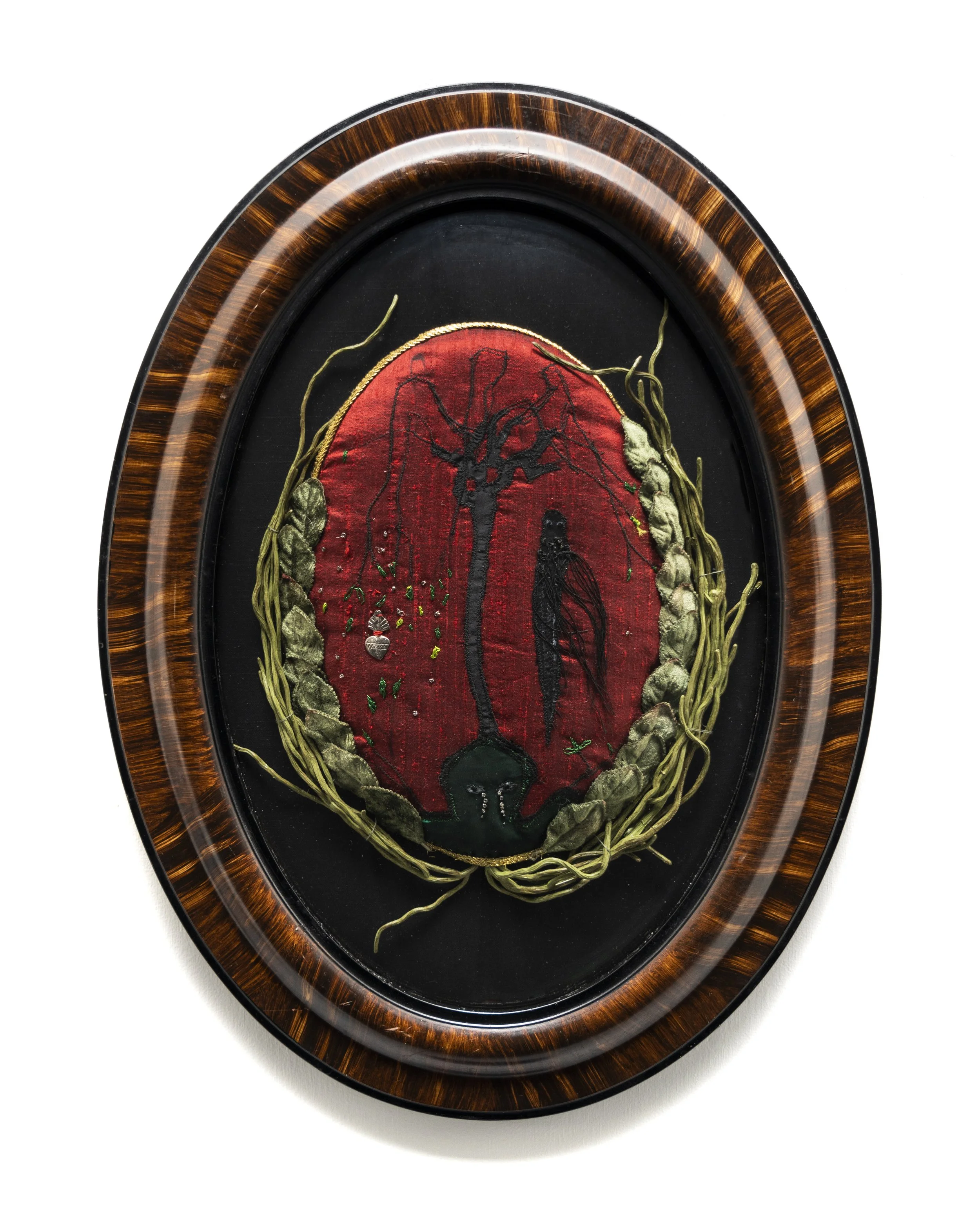
Tearful, 2016
Acrylic paint, silk, hand embroidery, artificial leaves, plastic plant, vintage frame
625 mm x 470 mm
(photo: Louis Lim)
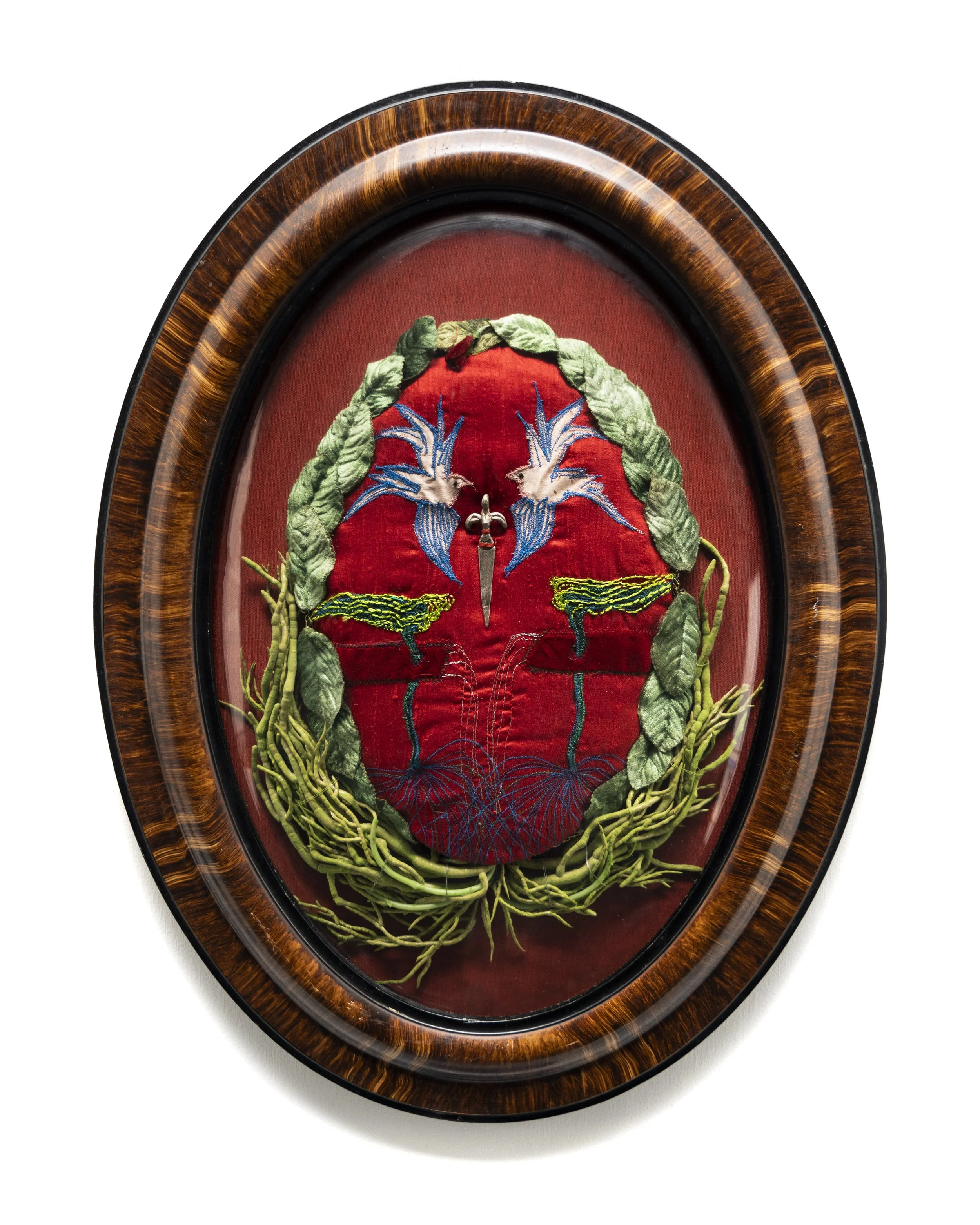
Silver Sword, 2016
Acrylic paint, silk, machine and hand embroidery, artificial leaves, vintage frame
625 mm x 470 mm
(photo: Louis Lim)
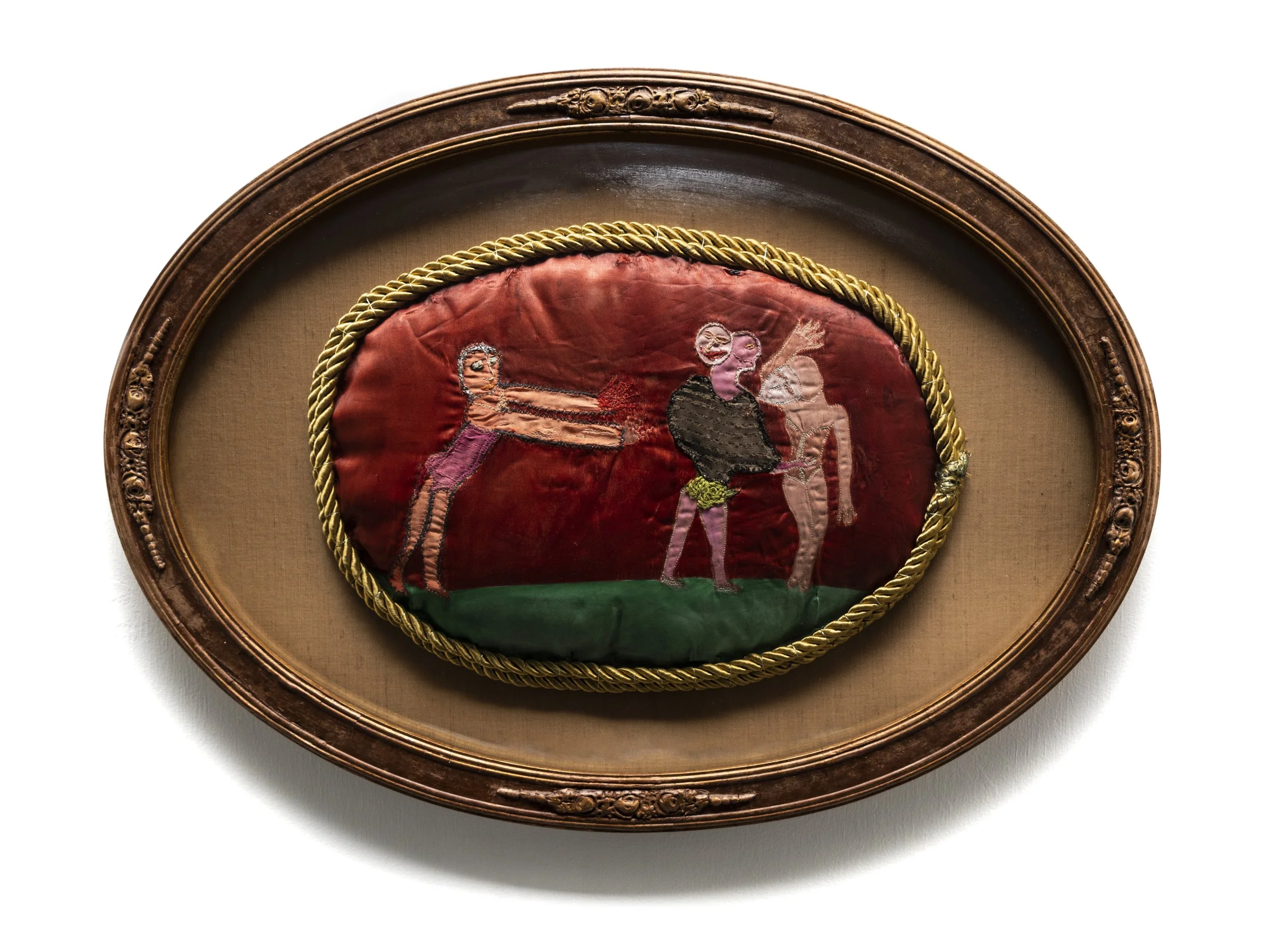
Circus Follies (fragment) 2, 1980
Silk, hand and machine embroidery, vintage cord, vintage frame
550 mm x 400 mm
(photo: Louis Lim)
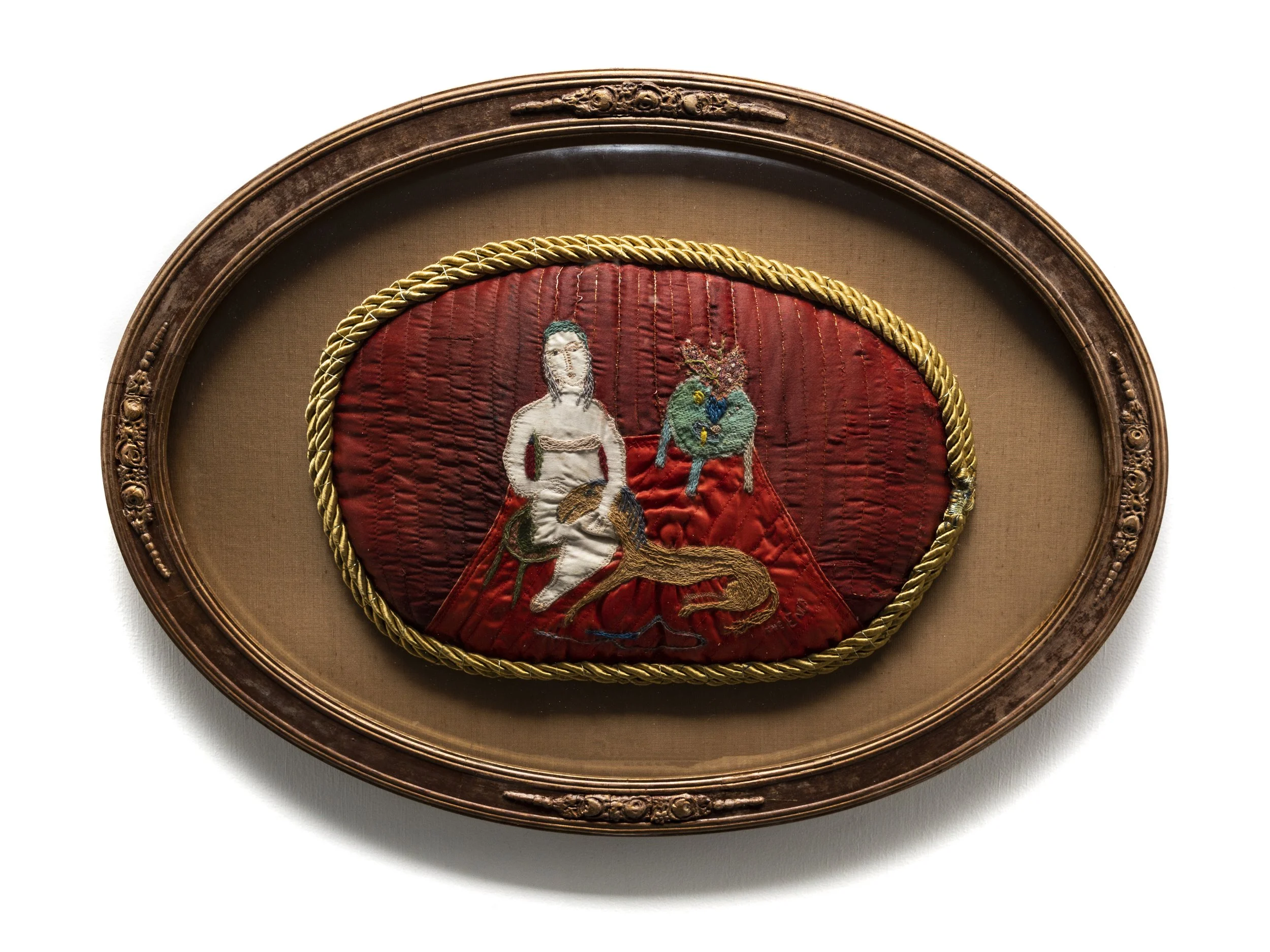
Circus Follies (fragment) 1, 1980
Silk, hand and machine embroidery, vintage cord, vintage frame
550 mm x 400 mm
(photo: Louis Lim)
Quisque iaculis facilisis lacinia. Mauris euismod pellentesque tellus sit amet mollis.